Tuckers Funeral & Bereavement Service

Multicultural funeral services

We provide culturally respectful funeral services that honour your loved one’s beliefs, traditions and heritage with care and understanding.

Religious customs for funerals

Funeral services, often seen as an opportunity to celebrate someone’s life, may include many different rituals, beliefs or customs. These are important for family and friends of the deceased to express their grief and acknowledge their passing.

Below is a brief summary of funeral customs from several major religious groups, including what may be expected at the service.

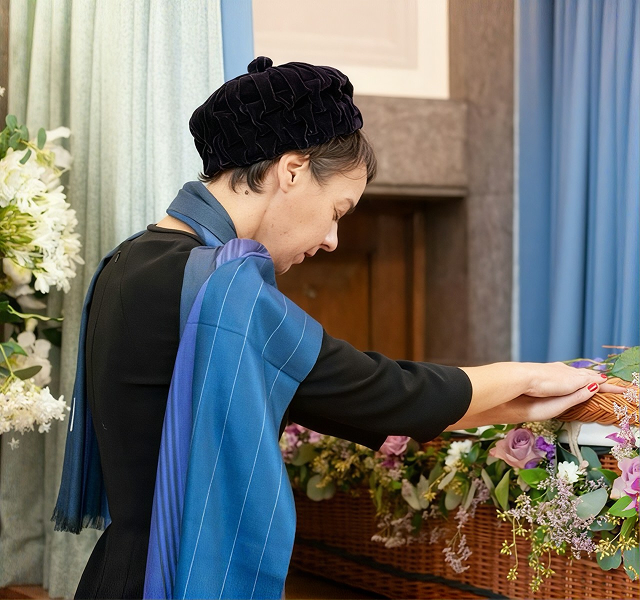
women in front of coffin

Bahá’í

Bahá’í funerals take place at a Baha’i chapel or at the grave side and are usually conducted by family or other Bahá’í members. It is an extremely simple service with only one prayer reading before burial. Bahá’í followers must be buried within a one-hour drive from the place of death. Embalming is not allowed and cremation is forbidden. Baha’is may wear anything from casual attire to formal wear to funerals and attendees should dress respectfully. No head covering is required and mourners usually wear dark colours and no make-up.

Women and men are permitted to sit together. Sending flowers or cards in memory of the deceased is appropriate, however non-Baha’is cannot contribute to a Baha’i fund.

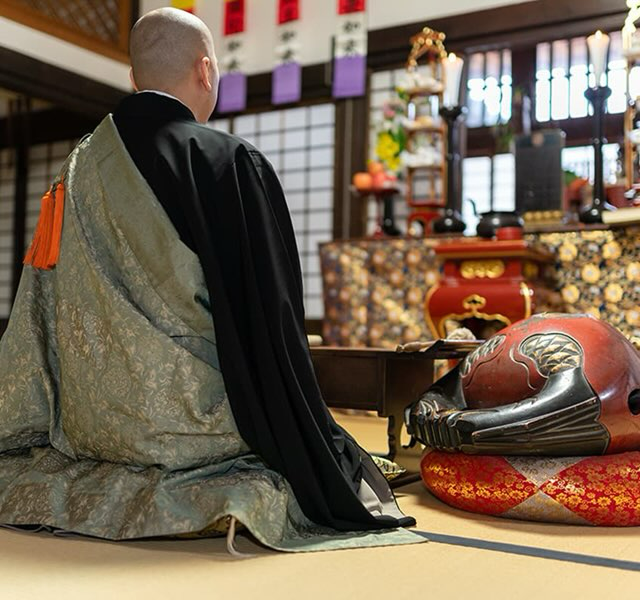
buddhist monk conducting memorial service

Buddhism

Buddhist funerals generally take place within a week from death, in a funeral chapel rather than a temple. Viewing of the body is usually held the evening before the funeral. At the funeral service, the family sits at the front of the room. Candles and incense burn until the body is moved to the cemetery. Visitors are expected to greet the family and offer their condolences, before bowing at the coffin.

Visitors are not expected to participate while a monk conducts prayers and chanting. The family of the deceased wears white, while friends often wear black. No headgear is required and men and women can sit together. Sending flowers is appropriate and visitors also often send a financial donation to the family.

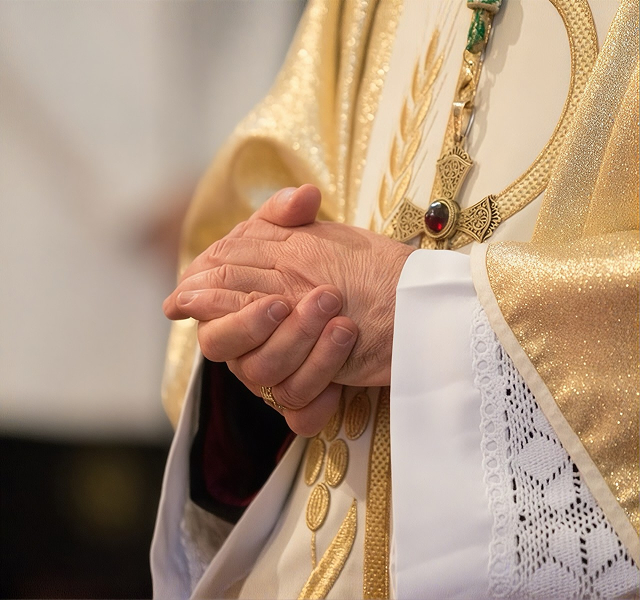
priest doing a service

Christianity: Catholic

Personal heritage and tradition determines a large part of the Catholic ceremony. Irish, Croatian and Italian are just a few of the cultures that influence the funeral service. However, there are some constants, such as viewing the body in a funeral chapel, before the body is transported to a church for a funeral mass.

A priest will lead the rosary and prayers, which takes about 15 minutes. Visitors can join in or simply observe, however it is considered disrespectful to talk or leave during the rosary. Members of the Catholic faith bow when entering the church and take communion. Non-believers should not imitate these gestures, but should rise and kneel as instructed throughout the funeral service.

Visitors often send flowers and sympathy cards, or make a donation. Catholics can purchase mass cards to be displayed in the funeral chapel.

Christianity: Protestant

Generally, Christians believe in resurrection and the continuation of the soul. All Protestant denominations revolve around the Christian theme that life exists after death. Funeral services usually take place within three days of death and most commonly take place at a funeral home or church. Visiting hours are usually arranged the day prior to the funeral service.

Funerals are generally led by a minister, while family and friends can participate in the service. Some services include time for visitors to give testimonials about the deceased.

Nowadays it is unusual for people to wear black or cover their head. Instead, people display their sympathy to the family by sending flowers, cards or making charitable donations in the name of the deceased.

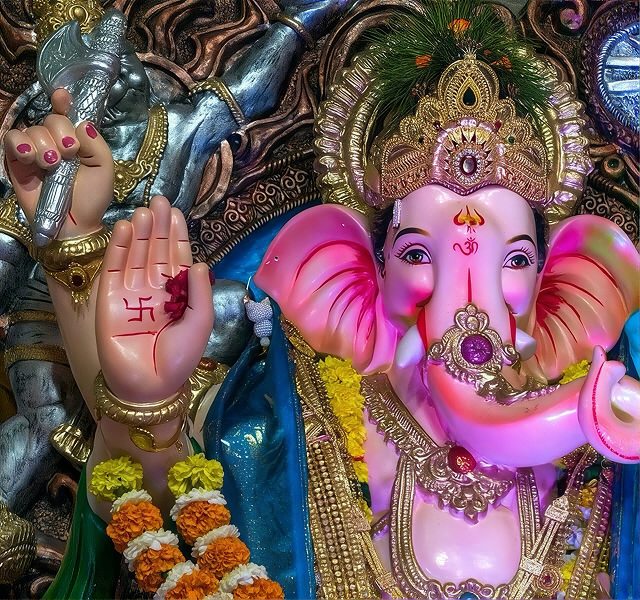
statue of Ganesha

Hinduism

Hindus try to hold a funeral service before the sun goes down on the day of the death. The funeral service serves Hindus as a purification process to cleanse the soul for a possible union with Brahma. After a Hindu has passed away, the family prepares the body for the funeral and wraps their loved one in a shroud.

Traditionally, funeral services are held at a funeral chapel and conducted by the eldest son. Mourners wear white, while visitors simply wear subdued colours. Sometimes the men will shave their heads as a sign of respect for the deceased. At the funeral service the family may lay flowers on the deceased. While not traditional, visitors may send flowers to the family of the deceased.

After the funeral a short service also takes place at the crematorium. All Hindus are cremated, as the burning of the body symbolises the release of their spirit. The family of the deceased will then enter a formal grieving period for at least 13 days. The duration of the formal grieving depends on the caste of the family.

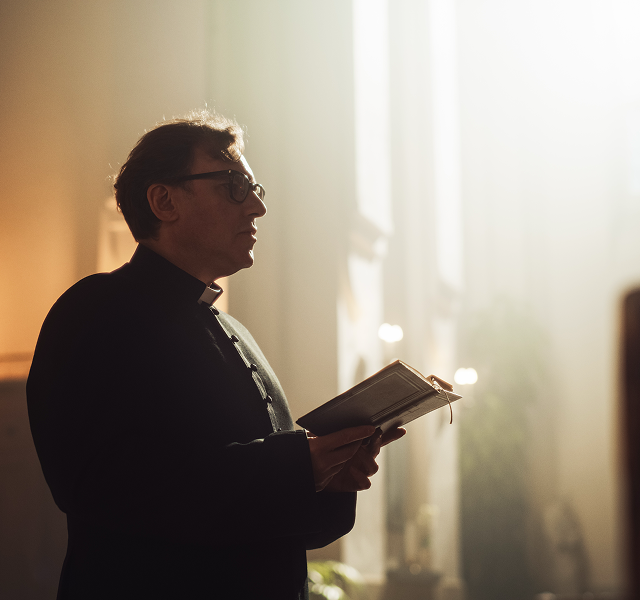
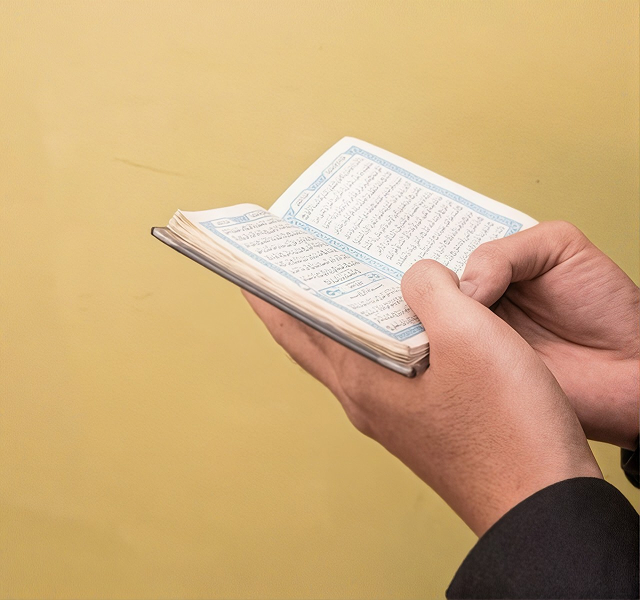
person holding a book

Islam

Muslims try to bury their dead as soon as possible and usually within a day of death. Muslim funeral services always take place in a mosque. Everyone is required to leave their shoes at the door before sitting on the floor. Women and men are seated separately and women must wear a veil or scarf and loose clothing. Mourners close to the family wear black, while visitors can send cards and flowers to express their sympathy.

The short service includes ritual chanting and recitation from the Koran. Visitors and mourners are invited to pay their last respects, before the body is take to a cemetery for burial. Following a short ceremony at the burial grounds, further prayers are held at the mosque and visitors can offer consolation to the family of the deceased. Later, a meal is eaten at the mosque.

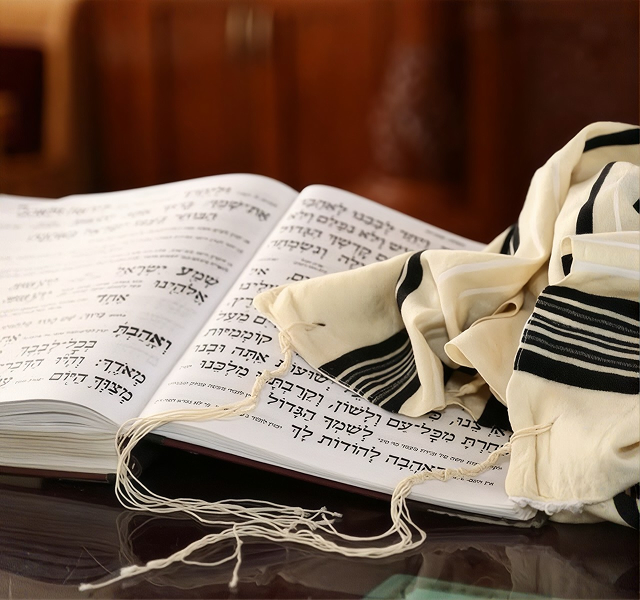
torah

Judaism

Jewish funerals take place as soon after the death as possible, either the same day or the next day. People pay their respects in three ways:

  1. by attending the funeral service;
  2. by attending the burial service at the cemetery; and
  3. by supporting the family during the week of Shiva (a time when activities are restricted in order to grieve) following the service.

While there are three different types of Judaism – Orthodox, Conservative and Reform – funeral services for each are similar. Head covering is required for both sexes at Orthodox Jewish funerals, for men only at a Conservative, and is optional at Reform. Head coverings are provided for anyone arriving without one.

Until the body is buried, the focus is centred entirely on the deceased person. As a result, it is not appropriate to approach the family until the body is buried. Sending flowers is not part of the Jewish tradition. Instead, people honour the deceased by making a donation to the family’s favourite charity or cause.

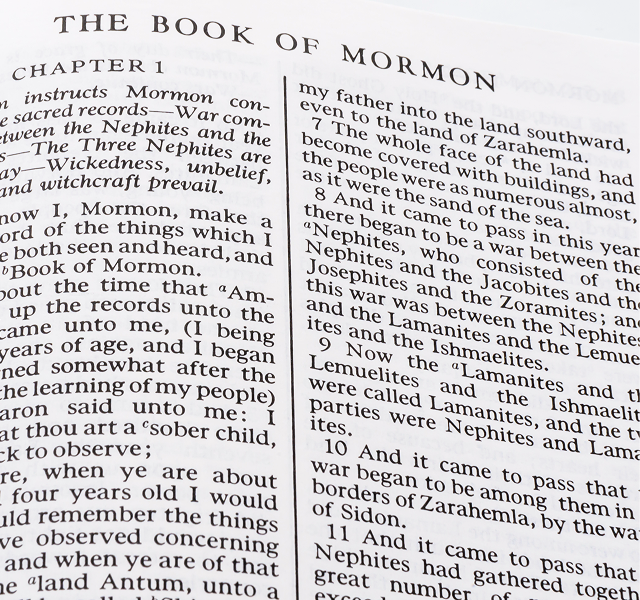
Mormonism

Members of The Church of Jesus Christ of Latter-day Saints, more commonly referred to as “Mormons”, approach funerals with a projected spirit of hope, based on the anticipated reunion with the deceased after this life. Funeral services are directed by local church leaders and generally held in an LDS chapel or mortuary. However, some cases may dictate a memorial or graveside service only.

Services usually start and finish with sacred music and prayer, as well as congregational singing or a choir. Mormon funeral services include reminiscences and eulogies, with some families asking family members or friends to sing or talk about the life of the deceased. Following the funeral service, family and close friends traditionally attend a simple graveside service. Often there is a reception held afterwards, where friends can offer their condolences to the family and give flowers or cards.

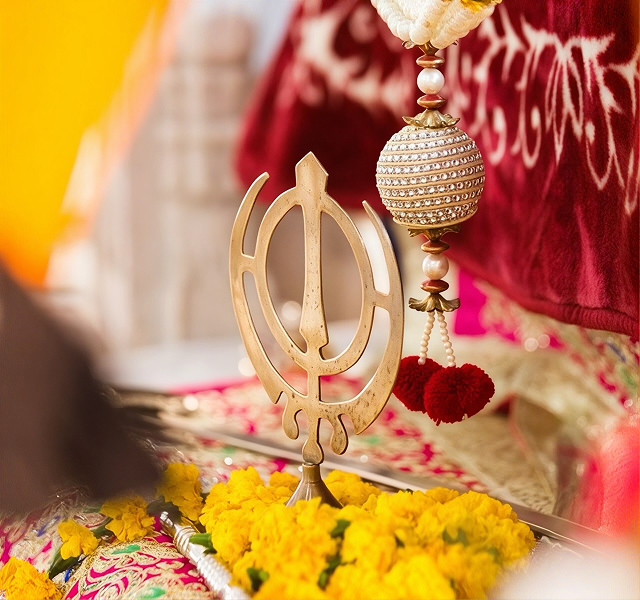
Sikhism

Sikh funerals are held at a funeral chapel rather than a temple, usually within 48 hours of death. While men and women are permitted to sit together at a chapel, both sexes require head covering. A simple silk scarf is considered appropriate for both men and women. Passages from the Sikh holy book are read and prayers are offered at the funeral service. Friends and relatives should not cry, but instead are asked to recite scriptural hymns. Sending flowers or cards is appropriate.

Following the funeral service, Sikhs enter a mourning period for between two and five weeks.

Tuckers funeral director
Tuckers Funeral Director
We're ready to help

Speak to a Tuckers funeral director

Day or night, we're here to help. Whether you're facing a loss right now or planning for the future, our team is ready.